Category: Sourcing & OEM

  • Private Label vs OEM Window Film: A Practical Guide for Brand Owners

    Private Label vs OEM Window Film: A Practical Guide for Brand Owners

    Private label and OEM programmes can both place a product under your brand, but they start from different inputs. Understanding the distinction before you request a quotation helps protect the design, packaging and product specification that matter to your business.

    Private label begins with an established product route

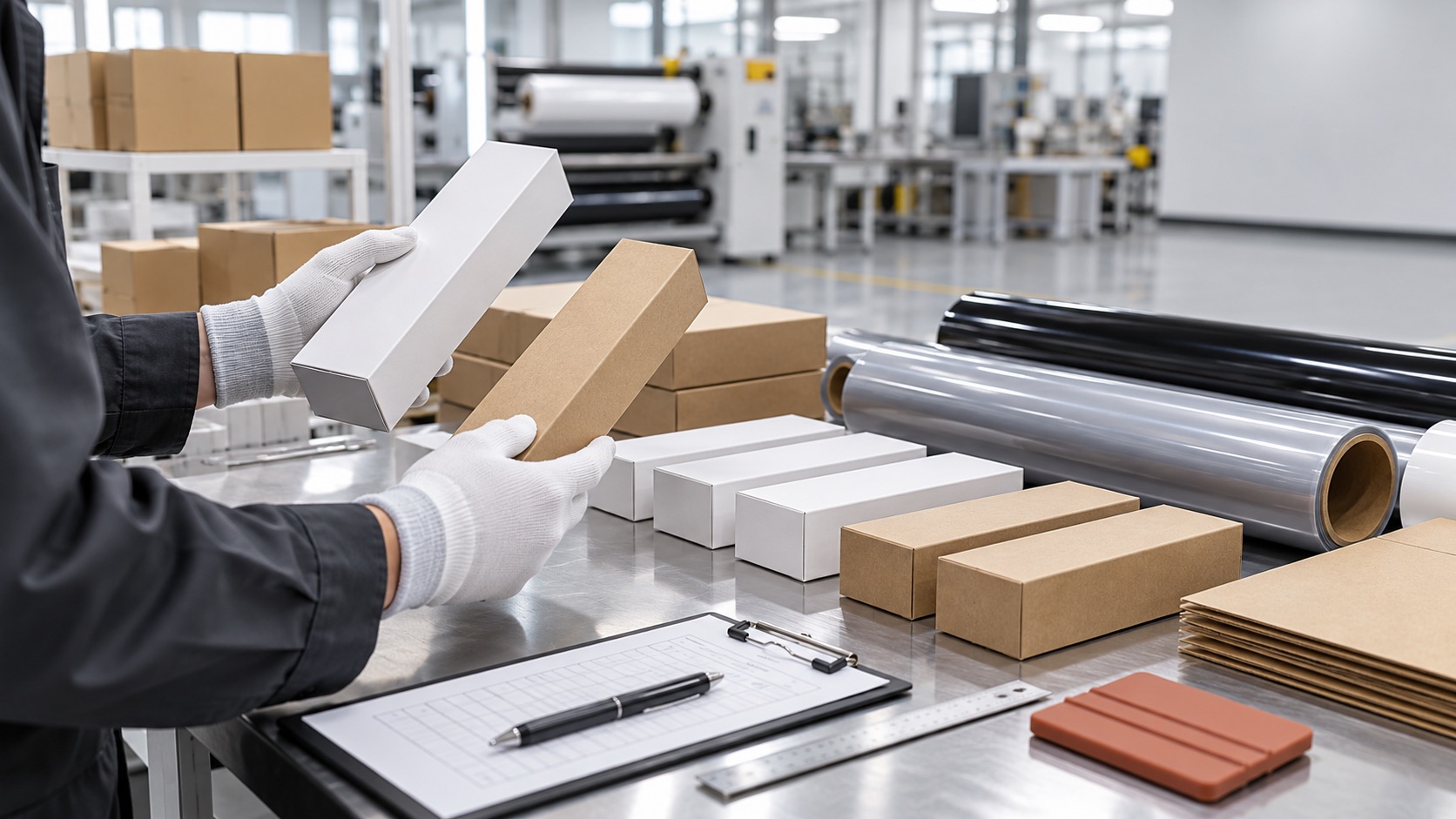
    In a private-label programme, the buyer normally selects from an existing material, pattern or product format and applies their own brand presentation. The focus is usually on the product selection, pack artwork, labels, carton markings and launch quantity. This route can be suitable when speed to market is more important than developing a completely new item.

    OEM starts with your defined product requirement

    OEM is appropriate when a buyer brings a specific requirement: an owned artwork file, a tailored size, a chosen material construction or a packaging concept that needs to be produced to a defined specification. The key is to document exactly what the buyer is supplying and what the manufacturer is responsible for producing.

    Five points to agree in writing

    1. Design and artwork: Who owns the supplied artwork, and how it may be used.
    2. Product specification: The approved film type, finish, dimensions and quality reference.
    3. Packaging: The retail box, labels, barcode placement, carton marking and insert requirements.
    4. Sample approval: The physical sample or approved artwork that production must match.
    5. Reorder control: How a later order is checked against the first approved version.

    Choose the right route for the commercial goal

    Private label can be an efficient way to introduce a curated range with your branding. OEM can be better when the product itself needs to be differentiated. In either case, avoid comparing quotations only by unit price. A complete comparison includes specification, sample process, packaging, order quantity, lead time and delivery terms.

    Changshun supports B2B customers with product selection, OEM packaging discussions and export coordination from Ningbo. Tell us your target market and project outline to begin a tailored quotation.
  • Window Film RFQ Checklist: 8 Details to Include Before You Request a Quote

    Window Film RFQ Checklist: 8 Details to Include Before You Request a Quote

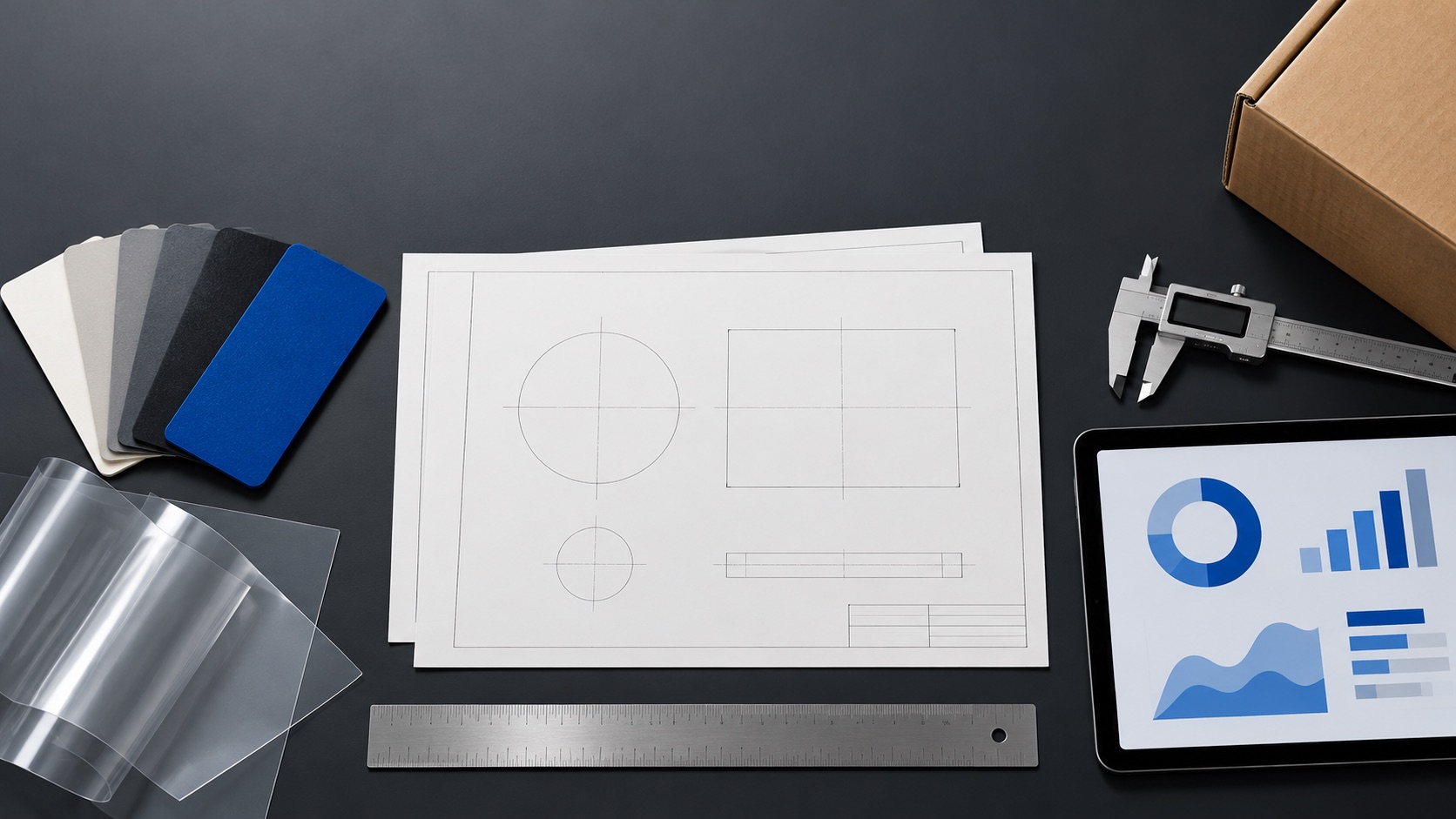
    A well-prepared RFQ saves time for both buyer and supplier. It also makes quotations easier to compare, because each factory is pricing the same requirement. For window film, a request that only says “please quote” often leaves important questions unanswered: what finish, what size, what pack, and what market?

    The eight details to include

    1. Product type: State whether you need decorative, frosted privacy, static-cling, solar-control or safety/security film.
    2. Application: Explain where and how the film will be used: retail DIY, office glass, hotel refurbishment, installer programme or another route.
    3. Visual finish: Include reference images or a description of the pattern, colour, transparency and texture.
    4. Dimensions: Provide the requested roll width and length, or the finished sheet or panel size.
    5. Film construction: If a thickness, backing or attachment method is important, state how it should be measured and what performance you expect.
    6. Packaging: Say whether you need bulk packing, retail packaging, labels, inserts, cartons, barcodes or your own brand artwork.
    7. Quantity and order plan: Give the estimated first order and expected reorder volume. This helps the supplier recommend a practical production route.
    8. Market and delivery terms: Tell the supplier the destination market, requested compliance documents if any, preferred incoterm and target delivery date.

    How to read the reply

    A useful response should repeat the core specification in writing rather than quote a single unit price without context. Check that the material, dimensions, pack quantity, order quantity, lead time and delivery basis all match your request. If samples are involved, make sure the approved sample is identified as the reference for production and reorders.

    Keep one version of the approved specification

    After sample approval, save a controlled copy of the agreed product and packaging specification. This is especially helpful when several teams are involved in product, purchasing and logistics. A clear approval record reduces ambiguity on future orders.

    Need help preparing your request? Changshun can review an RFQ for PVC+iXPE wall coverings or window film before quoting. Send your requirements and we will respond with the recommended next step.